

Hey there! As a retort bag supplier, I often get asked about the difference between retort bags and vacuum bags. It's a common question, and I'm here to break it down for you in simple terms. So, let's dive right in!
What Are Retort Bags?
Retort bags are a type of flexible packaging that can withstand high - temperature processing. They're made up of multiple layers of materials, usually including polyester, aluminum foil, and polypropylene. The polyester provides strength and stability, the aluminum foil acts as a barrier against oxygen, light, and moisture, and the polypropylene forms a heat - sealable inner layer.
These bags are designed to be heated under high pressure in a retort machine. This process, called retort processing, can reach temperatures up to 135°C (275°F) or even higher. The high - temperature treatment sterilizes the food inside the bag, extending its shelf life significantly. You can find retort bags used for a wide range of products, like ready - to - eat meals, baby food, pet food, and even some types of beverages.
For example, a lot of military MREs (Meals, Ready - to - Eat) come in retort bags. These meals need to have a long shelf life and be able to withstand harsh conditions, and retort bags fit the bill perfectly.
If you're interested in different types of food packaging bags, you might want to check out our Snack Three - Sides Seal Bag and Food Laser Bag. These are also great options for various food products.
What Are Vacuum Bags?
Vacuum bags, on the other hand, are used to remove air from the package. They are typically made of polyethylene or nylon, or a combination of both. The main purpose of a vacuum bag is to create a low - oxygen environment around the product, which helps to slow down the spoilage process.
When you use a vacuum sealer, it sucks out the air from the bag and then seals it. This reduces the presence of oxygen, which is a major contributor to food spoilage, as it can cause oxidation, mold growth, and the growth of aerobic bacteria. Vacuum bags are commonly used for storing meat, cheese, and other perishable foods in the freezer or refrigerator.
For instance, if you buy a large pack of steaks from the supermarket, you can divide them into smaller portions, put each portion in a vacuum bag, and then store them in the freezer. This way, the steaks will stay fresh for a much longer time compared to just putting them in a regular plastic bag.
Key Differences
1. Processing Method
The most significant difference between retort bags and vacuum bags lies in their processing methods. Retort bags are subjected to high - temperature and high - pressure processing. This is a very intense treatment that not only sterilizes the food but also can change the texture and flavor of the food to some extent. For example, retort - processed soups might have a slightly different taste compared to freshly made ones due to the high - heat treatment.
Vacuum bags, however, mainly rely on the removal of air. There's no high - temperature involved during the sealing process. The food inside a vacuum bag retains more of its original texture and flavor because it's not exposed to extreme heat.
2. Shelf Life
Retort bags offer an extremely long shelf life. Thanks to the sterilization process, products in retort bags can be stored at room temperature for months or even years without spoiling. This makes them ideal for products that need to be stored for a long time without refrigeration, such as emergency food supplies.
Vacuum bags, while they do extend the shelf life of food, usually require refrigeration or freezing. Even with the removal of air, bacteria and other microorganisms can still survive at room temperature, so food in vacuum bags stored at room temperature will spoil relatively quickly compared to those in retort bags.
3. Material Composition
As mentioned earlier, retort bags are made of multiple layers with aluminum foil being a key component. The aluminum foil provides excellent barrier properties, protecting the food from oxygen, light, and moisture. This multi - layer structure also gives retort bags high strength and puncture resistance.
Vacuum bags are often made of simpler materials like polyethylene or nylon. They are more flexible and less rigid compared to retort bags. Their main function is to create an air - tight seal, and they don't need the same level of barrier properties as retort bags since they are usually used in combination with refrigeration.
4. Application Scope
Retort bags are used for a wide variety of processed foods that need long - term storage at room temperature. This includes ready - to - eat meals, sauces, and some types of canned - like products. They are also popular in the military and emergency food industries.
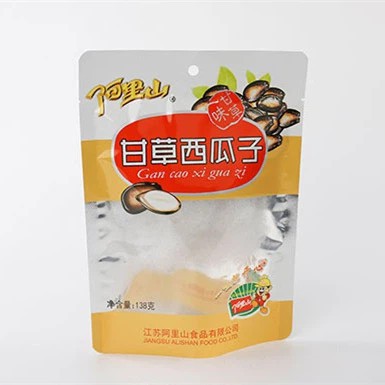

Vacuum bags are more commonly used in households and commercial kitchens for storing fresh food items like meat, fish, and vegetables. They are also used in the food service industry for marinating meats and keeping ingredients fresh.
Advantages of Retort Bags
- Long - term storage: As I've already mentioned, retort bags allow for long - term storage at room temperature, which is a huge advantage for products that need to be stockpiled or shipped to areas without reliable refrigeration.
- Versatility: They can be used for a wide range of food products, from solid foods to liquids.
- Reduced weight and space: Compared to traditional canned products, retort bags are lighter and take up less space, which can save on transportation and storage costs.
When to Choose Retort Bags or Vacuum Bags
If you're a food manufacturer looking for a packaging solution for products that need to have a long shelf life without refrigeration, retort bags are the way to go. They can handle the high - temperature processing required to sterilize the food and keep it fresh for a long time.
On the other hand, if you're a home cook or a small - scale food business dealing with fresh ingredients that need to be stored in the fridge or freezer, vacuum bags are a great option. They are more affordable and easier to use for short - to - medium - term storage.
If you're interested in exploring more food packaging options, don't forget to take a look at our Food Laser Bag. It offers unique features that might suit your specific needs.
Conclusion
In conclusion, retort bags and vacuum bags serve different purposes in the food packaging industry. Retort bags are designed for high - temperature processing and long - term, room - temperature storage, while vacuum bags are focused on removing air to extend the shelf life of fresh food in refrigerated or frozen conditions.
If you're in the market for retort bags or other food packaging solutions, I'd love to have a chat with you. Whether you're a large - scale food manufacturer or a small - business owner, we can work together to find the perfect packaging for your products. Don't hesitate to reach out and start a discussion about your packaging needs.
References
- Packaging World. "Retort Packaging: A Comprehensive Guide."
- Food Science and Technology. "Vacuum Packaging and Its Applications in the Food Industry."