

Airtightness is a crucial characteristic when it comes to slide zipper bags, especially for suppliers like me who understand the diverse needs of our customers. In this blog, we'll delve into what airtightness means in the context of slide zipper bags, why it matters, and how we, as a slide zipper bag supplier, ensure high - quality airtight solutions.

What is the Airtightness of a Slide Zipper Bag?
Airtightness refers to the ability of a slide zipper bag to prevent the exchange of air between the inside and the outside of the bag. When a slide zipper bag is truly airtight, it creates a sealed environment that can protect the contents from external air, moisture, and other contaminants.
At the molecular level, an airtight slide zipper bag forms a barrier that restricts the movement of air molecules. The zipper mechanism plays a vital role here. A well - designed zipper should fit snugly when closed, leaving no gaps through which air can seep. The bag's material also contributes significantly to airtightness. High - quality plastics or laminates are often used to create a continuous and impermeable surface.
Why Airtightness Matters
The importance of airtightness in slide zipper bags cannot be overstated. For food products, airtight bags are essential for maintaining freshness. Oxygen can cause oxidation, which leads to spoilage, loss of flavor, and the growth of mold and bacteria. By keeping air out, an airtight slide zipper bag can extend the shelf - life of food items such as snacks, coffee beans, and dried fruits.
In the pharmaceutical and medical industries, airtightness is a matter of safety and efficacy. Medications need to be protected from air and moisture to ensure their chemical stability. A breach in airtightness can compromise the potency of drugs, putting patients at risk.
For industrial applications, airtight slide zipper bags can protect small parts from corrosion and contamination. For example, electronic components are highly sensitive to moisture and dust. An airtight bag can safeguard these components during storage and transportation.
Factors Affecting Airtightness
Several factors can influence the airtightness of a slide zipper bag. The first is the quality of the zipper. A cheap or poorly manufactured zipper may not close tightly, leaving small gaps that allow air to enter. Our company invests in high - quality zippers from trusted suppliers. These zippers are designed to have a smooth sliding action and a tight fit when closed.
The material of the bag is another critical factor. We use advanced plastic materials with low gas permeability. For example, some of our bags are made from polyethylene terephthalate (PET), which has excellent barrier properties against oxygen and moisture. The thickness of the material also matters. Thicker materials generally provide better airtightness, but we also balance this with the need for flexibility and cost - effectiveness.
The sealing process is also crucial. After the bag is formed and the zipper is attached, proper sealing at the edges is necessary to ensure airtightness. We use state - of - the - art sealing technology to create strong and reliable seals that prevent air leakage.
Our Product Range and Airtightness
As a slide zipper bag supplier, we offer a wide range of products, each designed to meet specific airtightness requirements.
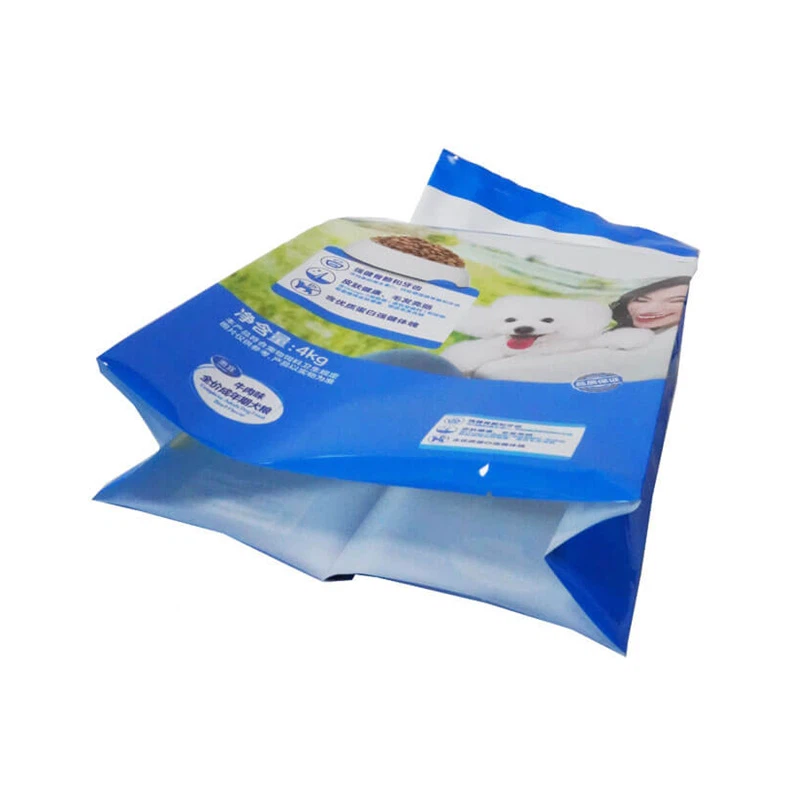
Our [Pet Flat - Bottom Zipper Bag](/pet - packaging - bag/pet - flat - bottom - zipper bag.html) is a popular choice for food and pet food packaging. The flat - bottom design provides stability, and the PET material offers excellent airtightness. This bag can keep food fresh for an extended period, making it ideal for products that need to be stored for a long time.
The [Velcro Zipper Bag](/pet - packaging - bag/velcro - zipper bag.html) is another innovative product. In addition to the traditional zipper, it has a Velcro closure, which adds an extra layer of protection against air leakage. This bag is suitable for items that require frequent access, such as small tools or craft supplies.
Our [Pet Four - Sides Seal Bag](/pet - packaging - bag/pet - four - sides - seal bag.html) is sealed on all four sides, providing a high level of airtightness. The four - side seal design ensures that there are no weak points where air can enter. This type of bag is often used for products that are very sensitive to air and moisture, such as spices and herbs.
Testing Airtightness
To ensure the airtightness of our slide zipper bags, we conduct rigorous testing. One common method is the vacuum test. In this test, we place the bag in a vacuum chamber and gradually reduce the pressure. If the bag maintains its shape and there is no significant change in volume, it indicates good airtightness.
We also use pressure decay testing. This involves filling the bag with a specific amount of air and then monitoring the pressure inside the bag over time. A slow rate of pressure decay means that the bag is airtight.
Customization for Airtightness
We understand that different customers have different airtightness requirements. That's why we offer customization services. We can adjust the material, thickness, and zipper type according to your specific needs. For example, if you need a bag with extremely high airtightness for storing sensitive electronic components, we can use a thicker PET material and a more advanced zipper.
Conclusion
In conclusion, airtightness is a key feature of slide zipper bags, and it has a wide range of applications in various industries. As a slide zipper bag supplier, we are committed to providing high - quality, airtight products. Our diverse product range, rigorous testing, and customization services ensure that we can meet the unique needs of our customers.
If you are interested in our slide zipper bags or have specific requirements for airtightness, please feel free to contact us for procurement and negotiation. We look forward to working with you to find the perfect packaging solution.
References
- "Packaging Technology: Principles and Practice" by Christopher R. Fell
- "Barrier Polymers and Structures" by John Comyn
- "Food Packaging: Principles and Practice" by Carol H. Peleg and Edgar M. Peleg