

As a dedicated slide zipper bag supplier, I understand the importance of using products correctly. Slide zipper bags are versatile and widely used in various industries, especially in pet food packaging. Today, I'll share with you the proper way to open and close a slide zipper bag to ensure its long - term use and functionality.
Opening a Slide Zipper Bag
When it comes to opening a slide zipper bag, there are several steps you need to follow to make the process smooth and prevent potential damage.

-
Prepare the Bag
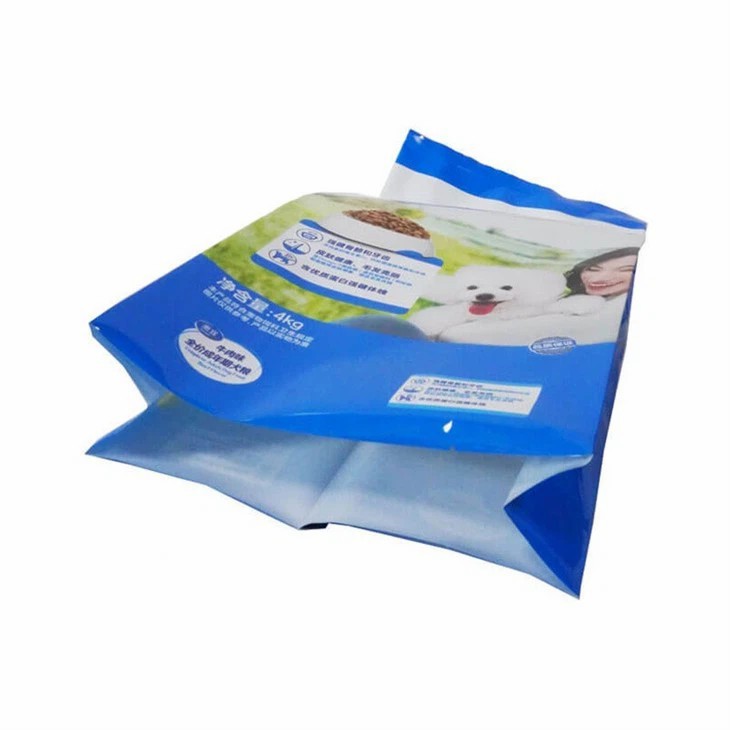
- First, place the slide zipper bag on a flat surface. This provides a stable base and makes it easier to handle the bag. For example, if you're dealing with a Pet Three - Sides Seal Bag, which often has a slide zipper for easy access, putting it on a table or countertop helps in the opening process.
- Hold the bag gently along the edges, making sure your hands are clean to avoid transferring dirt or contaminants into the bag.
-
Locate the Zipper Slider
- Look for the zipper slider, which is usually a small, plastic piece that moves along the zipper teeth. On most slide zipper bags, it's quite visible and can be easily spotted at one end of the zipper.
- If the bag has been stored for a long time, the slider might be slightly stuck. In this case, gently tug on it with your fingertips. Avoid using excessive force as this can cause the slider to break or the zipper teeth to come apart.
-
Open the Zipper
- Grasp the zipper slider firmly but not too tightly. Pinch it between your thumb and index finger.
- Pull the slider slowly along the zipper teeth in the direction of the open end. Keep a steady and even pressure. If you pull too quickly, the slider may jump over the teeth, leading to jams or misalignment.
- For larger slide zipper bags, like those used for Pet Food Pouches, you might need to use both hands. One hand can hold the bag steady at the bottom while the other hand operates the zipper slider.
Closing a Slide Zipper Bag
Closing a slide zipper bag is just as important as opening it properly. Here's how you can do it effectively:
-
Align the Zipper Teeth
- First, make sure the items inside the bag are arranged in a way that doesn't block the zipper teeth. If there are any crumbs or debris near the zipper area, gently brush them away.
- Bring the two sides of the zipper teeth together. Start from the closed end of the zipper and work your way towards the open end. Make sure the teeth are properly aligned. They should fit snugly against each other with no gaps or overlaps.
-
Use the Zipper Slider
- Place the zipper slider at the open end of the zipper, with the open part of the slider facing the open end of the teeth.
- Slowly push the slider along the zipper teeth in the direction of the closed end. Apply a consistent and moderate pressure. You'll feel a slight resistance as the slider moves, which is normal.
- If you encounter any resistance, stop immediately. Check to see if there is a foreign object caught between the teeth or if the teeth are misaligned. Correct the issue before continuing to close the zipper.
-
Ensure a Secure Seal
- Once you've pushed the slider all the way to the closed end of the zipper, give it a gentle tug to make sure the seal is secure. This is especially important for Slide Zipper Bags that are used to store food or other perishable items, as a loose seal can allow air, moisture, or pests to enter the bag.
Common Mistakes and How to Avoid Them
-
Using Excessive Force
- One of the most common mistakes is using too much force when opening or closing the zipper. This can cause the zipper slider to break, the teeth to become damaged, or the zipper to come off the bag completely.
- To avoid this, always use a gentle and steady pressure when operating the zipper.
-
Not Aligning the Teeth Properly
- If the zipper teeth are not aligned correctly, the slider may not move smoothly, and the bag may not close properly.
- Take the time to carefully align the teeth before using the slider. If you notice any misalignment during the closing process, stop and correct it.
-
Ignoring Debris in the Zipper
- Crumbs, dust, or other small particles can get stuck between the zipper teeth, causing jams and making it difficult to open or close the bag.
- Before opening or closing the zipper, always check for debris and clean it out if necessary. You can use a small brush or a toothpick to remove any stubborn particles.
Benefits of Proper Use
Properly opening and closing a slide zipper bag has several benefits.
- Longer Lifespan
- When you use the zipper correctly, it reduces the wear and tear on the slider and the teeth. This means the bag will last longer and you won't have to replace it as frequently.
- Better Sealing
- A well - closed zipper provides a tight seal, preventing air, moisture, and contaminants from entering the bag. This is crucial for maintaining the quality of the contents, especially for pet food, which can spoil if exposed to air or humidity.
- Improved User Experience
- A smoothly operating zipper makes it easier for you to access the contents of the bag. It saves time and reduces frustration.
Conclusion
In conclusion, opening and closing a slide zipper bag properly is a simple yet important skill. By following the steps outlined above and avoiding common mistakes, you can ensure the longevity and functionality of your slide zipper bags.
As a slide zipper bag supplier, I'm committed to providing high - quality products. If you're in the market for slide zipper bags, whether it's Pet Three - Sides Seal Bag, Slide Zipper Bag, or Pet Food Pouch, I encourage you to reach out for a procurement discussion. We can work together to find the best solutions for your packaging needs.
References
- Packaging Institute of America, "Best Practices for Zippered Packaging Use"
- International Pet Food Packaging Association, "Guidelines for Packaging Pet Food"