

Zhejiang Yang Yang Packaging Co., Ltd was founded in 1999, which is located in Guodian Industrial Park, Haining City, Zhejiang Province. It's on the east of Shanghai and the west of Hangzhou, it has very convenient transportation.
Wide Product Range
We produce a wide variety of packaging products, including: octagonal sealed bags, self-supporting bags, back sealed bags, irregular bags, roll film, paper plastic bags, aluminum washing bags, organ bags, triple sealed bags, zipper bags, etc.
Wide Range of Applications
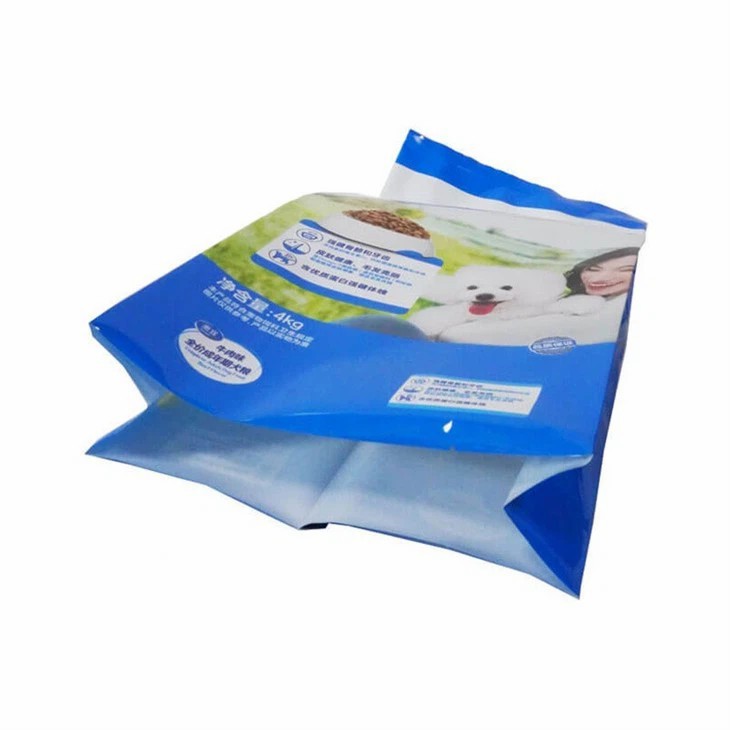
Our company mainly produces food packaging bags, pet food packaging bags, daily chemical packaging, roll film, etc.
Quality Assurance
The company insists on creating corporate personality and forming corporate characteristics. The company has passed ISO9000 international standard quality system certification and ISO14000 environmental management system in 2004, QS certification in 2007, and FSSC22000 food safety management system in 2020.
Advanced Equipment
Our company has 6 high-speed printing machines, one of which is a 400 meter high-speed 13 color dual receiving and double releasing front and back printing machine. A total of 38 bag-making machines, high efficiency and high quality to meet customer's requirements. With advanced five-layer co combination film blowing machine, independent production of various raw materials.And we have aluminizing machines, which can plating all kinds of pet film, BOPP film, CPP film, laser film, media film, the width of the machine can reach 1750mm, can do all kinds of aluminizing products.


Pouches allow pet owners to tear open the box with ease, re-seal it, and open it again for later usage, which is an obvious purpose behind this shift. These resealable grip-seal pouches reduce waste, especially if your pets can't eat their food in one sitting. If you want to know the specifications and prices of Pet Food Pouch, please contact us!
Advantages of Pet Food Pouch
Enhancing Freshness and Extending Shelf Life
Keeping pet food fresh and extending its shelf life is essential to preserve its quality, ensuring your customers' pets get the best nutrition possible. As you may know, pet food, containing fats and minerals prone to oxidation, can develop undesirable flavours if not stored properly.
Resealable packaging, with its easy-to-close feature, minimises exposure to oxygen, reducing the likelihood of spoilage.
Safety and Quality
Improving pet food safety and quality through resealable packaging goes beyond just preserving freshness and extending shelf life; it also provides essential protection against potential contaminants and damage, ensuring a secure and reliable product for your customers.
The sealing in flexible packaging prevents air exposure, protecting against dust, wear and tear, and dirt that can compromise flavour, scent, and nutrients.
Quality packaging design with resealable features enhances customer satisfaction and brand loyalty. It also contributes to product safety by preventing damage during shipping and making it harder for children and pets to access harmful products.
Convenience and Usability
Resealable pet food packaging has become an essential choice for modern pet owners seeking convenience and freshness for their furry companions. With busy schedules and on-the-go lifestyles, modern pet owners value the ease of opening and resealing pet food packages to maintain freshness.
The convenience of resealable packaging allows for effortless storage and portion control, catering to the needs of pet owners looking for practical solutions. Additionally, the ability to reseal pet food packaging helps preserve the quality of the food, ensuring that every meal is as fresh as the first.
Therefore, resealable pet food packaging not only meets the needs of modern pet owners but also enhances the overall feeding experience for both pets and their owners.
Sustainability
By opting for resealable packaging, you actively support environmental initiatives. Resealable designs allow the original packaging to be used throughout the product's lifespan, reducing the need for additional containers and cutting down on material use and costs. Moreover, many resealable materials are recyclable, aiding in sustainability efforts.
By choosing resealable packaging, you're not just choosing convenience but also taking a significant step towards supporting environmental initiatives.
This line represents our commitment to sustainability, offering a selection of digitally printed, fully recyclable pouches that stand as a testament to our dedication to reducing environmental impact.
Available in various sizes and finishes, including matte and gloss, these pouches cater to a wide range of products and branding aesthetics.
Customisation and Brand Differentiation
By embracing resealable pet food packaging, pet food manufacturers unlock custom design and branding opportunities that can significantly distinguish their products on the shelves. The advent of digitally printed packaging amplifies these possibilities even further.
Digitally printed packaging unlocks the benefit of Multi SKU (Stock Keeping Unit) capability. This means manufacturers can effortlessly switch between different designs or product variations without the need for costly and time-consuming changes to traditional printing plates.
This flexibility is invaluable for brands that offer a wide range of products or those looking to test the market with limited edition designs or seasonal offerings.
Customising the packaging with your brand logo, colours, and graphics helps enhance brand recognition and consumer appeal. By incorporating attractive designs tailored to your target market, you can create a strong visual identity that resonates with pet owners.
By leveraging the potential of resealable packaging to communicate your brand values effectively, your brand can stand out from competitors by creating packaging that not only preserves freshness but also captivates consumers with its unique and eye-catching appearance.
Cost-Effective
Cost-effectiveness plays a pivotal role in the adoption of resealable pet food packaging for both manufacturers and consumers. Reusable packaging offers significant cost savings for businesses in the long run.
Although the initial investment may be higher than single-use options, the durability and reusability of these solutions make them more economical over time. For instance, investing in reusable containers or crates eliminates the need for constant repurchasing, reducing overall packaging costs.
This cost-effective approach benefits manufacturers by cutting expenses on new packaging materials for each shipment. Consumers also benefit from cost savings in the long term, as reusable packaging options can lead to more affordable products over time.
Types of Pet Food Pouch Material


Polypropylene (PP Bags)
Polypropylene is an ideal food-safe plastic for production processes that combine excellent chemical resistance and strength.
Compared to LDPE or LLDPE bags, PP bags are more transparent for enhanced product visibility and require high heat.
Its high melting point makes it ideal for heat sealing and microwavable containers.
PP bags are not breathable; meaning, they have a longer product shelf life which is why they are used to store nuts, herbs, candies, garden tools, automotive products, and other confectionaries.
Retailers use PP bags for packaging cream cheese containers, yoghurt, ready-to-eat meals, and VSP containers.
Polyethylene Terephthalate (PET)
PET is lightweight, has corrosion resistance, and high impact resistance, making it an ideal choice for food packaging.
Since PET won't degrade upon food contact, they make the perfect food packaging choice for single-use water bottles, bakery trays, soft drinks bottles, snack packs, and more.
Polycarbonate (PC)
PC is a durable, transparent, heat-resistant, and robust thermoplastic used for sterile medical packaging.
It has superior impact resistance and optical clarity, making it ideal for protecting contents from chemicals, scratches, and weathering.
PC finds its application in commercial sterilizable baby bottles and reusable water bottles.
Polystyrene (PS)
PS is a colourless, hard plastic with little flexibility used in food packaging. Manufacturers turn Polystyrene into foam or cast it into molds to give fine detail in its shape.
PS is widely used to make deli, bakery trays, egg cartons, plastic cups, hot cups, and fast food containers.
Crystallizable Polyethylene Terephthalate (CPET) Bags
CPET is more flexible, resistant to cracking, and can withstand higher temperatures.
These exceptional features make it appropriate for producing plastic food trays used with oven-proof plastic wrap, microwaveable storage containers, conventional ovens, etc.
Restaurants use CPET to serve ready-to-eat meals too.
LDPE (Low-Density Polyethylene) Bags
LDPE is breathable, has a low melting point but is not as strong as HDPE. As a result, they are used in storing bulk food items like fresh fruits and vegetables.
Because low-density polyethylene has a low melting point, LDPE is used for heat sealing.
Medium-density polyethylene (MDPE) Bags
MDPE is the least used form of the polyethylene family. However, it is used for packaging baked goods, dispensing bottles, wash bottles, and heavy-duty produce bags, thanks to its strength and resistance to tears/chemicals/punctures.
Ultra-Low-Density Polyethylene (ULDPE) Bags
ULDPE is a soft thermoplastic with superior flex crack resistance, tear resistance, and low-temperature flexibility.
ULDPE has high optical clarity making it ideal for packaging coffee, cheese, and meat.
HDPE (High-Density Polyethylene) Bags
Have you ever seen a sandwich packed in a clear plastic bag displayed on a wooden counter? You saw HDPE.
HDPE is one of the most popular plastics globally, thanks to its variety of superior qualities.
HDPE is extremely lightweight, has high tensile strength, offers water/vapor/temperature resistance, and is relatively transparent.
These excellent qualities make HDPE a popular option for serving and storing food in grocery stores, deli, restaurants, convenience stores, and even home.
LLDPE (Linear Low-Density Polyethylene) Bags
Both LLDPE and LDPE plastic bags offer similar features, yet differ in thickness (gauge) with the same strength.
A 1.5 mil thick LDPE bag offers the same strength as a 0.85 mil thick LLDPE bag. This means that LLDPE bags can save money for anyone using it.
LLDPE bags can be used for food storage in refrigerators and freezers in commercial kitchens.
Nylon/Polyamide
Nylon is strong and resistant to scratch/puncture/flex crack. The material also features a high melting point, does not absorb or dissolve grease/acidic/oil foods, yet can create a decent oxygen barrier.
Polyamide is used in microwave and conventional cooking applications.
Polyvinyl Chloride (PVC) Bags
PVC is another popular plastic type that is made basically from Chlorine.
Polyvinyl Chloride is biologically resistant, chemically resistant, and tamper-resistant, making it ideal for packaging medicines, mints, gums, blister packaging, and shrink wrap for a variety of products.
How to Choose a Pet Food Pouch Material
Moisture-Proof Performance
Pet food packaging materials should have good moisture-proof performance, which can effectively prevent moisture from entering the packaging and maintain the quality and taste of pet food.
Oxygen Barrier Performance
Pet food packaging materials should have a certain oxygen barrier performance, which can prolong the shelf life of pet food and prevent oxygen from entering the packaging and causing oxidative deterioration.
Strength and Tear Resistance
Pet food packaging materials should have sufficient strength and tear resistance to prevent the package from being damaged during transportation and use, and protect the integrity of pet food.
Cost and Market Demand
According to product positioning and market demand, comprehensively consider the cost of packaging materials and consumers preferences for packaging, and choose suitable packaging materials.
Transparency
Packaging materials with high transparency can facilitate consumers to observe the appearance and quality of pet food, and transparent bags can be considered when choosing.
Environmental Protection
Choose degradable or recyclable packaging materials to reduce the negative impact on the environment.
Our Factory


Certifications


Frequently Asked Questions
Hot Tags: pet food pouch, China pet food pouch manufacturers, suppliers, factory, pet small animal fever relief supplement packaging bag


