

Hey there! As a supplier of food stand-up bags, I often get asked about the weight capacity of these bags. It's a crucial question, especially for businesses looking to package their food products efficiently and safely. In this blog, I'll break down the factors that determine the weight capacity of food stand-up bags and give you some insights to help you make the right choice for your packaging needs.
Understanding the Basics of Food Stand-Up Bags
Food stand-up bags are a popular choice for packaging various food items, from snacks and coffee to pet food and spices. They're designed to stand upright on store shelves, making them highly visible and convenient for consumers. These bags come in different materials, sizes, and designs, each with its own weight capacity.
The most common materials used for food stand-up bags include plastic, paper, and foil. Plastic bags, such as polyethylene (PE) and polypropylene (PP), are lightweight, flexible, and offer good moisture and oxygen barrier properties. Paper bags, like the Kraft Paper Stand Up Bag, are eco-friendly and provide a natural look and feel. Foil bags, on the other hand, offer excellent barrier protection against light, moisture, and oxygen, making them ideal for products that require long shelf life.
Factors Affecting the Weight Capacity
Several factors come into play when determining the weight capacity of food stand-up bags. Let's take a closer look at each of these factors:
1. Material Thickness
The thickness of the bag material is one of the most important factors affecting its weight capacity. Thicker materials can generally hold more weight than thinner ones. For example, a 3-mil (0.003 inches) thick plastic bag will have a higher weight capacity than a 1-mil thick bag. When choosing a bag, consider the weight of your product and select a material thickness that can support it.
2. Bag Size
The size of the bag also plays a significant role in its weight capacity. Larger bags can typically hold more weight than smaller ones. However, it's important to note that the weight capacity is not directly proportional to the bag size. Other factors, such as the material thickness and the design of the bag, also need to be considered. For instance, a tall and narrow bag may have a lower weight capacity than a shorter and wider bag of the same material thickness.
3. Bag Design
The design of the bag can also affect its weight capacity. Bags with a gusseted bottom, for example, can hold more weight than flat-bottom bags because the gusset provides additional support and stability. Similarly, bags with a reinforced top or bottom seam can handle heavier loads. When choosing a bag design, consider the weight and shape of your product and select a design that can accommodate it.
4. Product Type
The type of product you're packaging can also impact the weight capacity of the bag. Some products, such as liquids or powders, may require a bag with a higher weight capacity than solid products. Additionally, products with sharp edges or corners may require a bag with a stronger material to prevent punctures or tears. Consider the characteristics of your product and choose a bag that can safely contain it.
Typical Weight Capacities of Different Types of Food Stand-Up Bags
Now that we've discussed the factors affecting the weight capacity of food stand-up bags, let's take a look at some typical weight capacities for different types of bags:
Plastic Stand-Up Bags
- Lightweight Snacks: For lightweight snacks like chips or pretzels, a 1-mil to 2-mil thick plastic bag with a size of 4x6 inches to 6x9 inches can typically hold up to 8 ounces.
- Medium-Weight Snacks: For medium-weight snacks like granola bars or trail mix, a 2-mil to 3-mil thick plastic bag with a size of 6x9 inches to 8x10 inches can hold up to 16 ounces.
- Heavy-Weight Snacks: For heavy-weight snacks like nuts or dried fruits, a 3-mil to 4-mil thick plastic bag with a size of 8x10 inches to 10x12 inches can hold up to 32 ounces.
Paper Stand-Up Bags
- Lightweight Dry Goods: For lightweight dry goods like spices or tea, a 40-pound to 60-pound kraft paper bag with a size of 4x6 inches to 6x9 inches can typically hold up to 4 ounces.
- Medium-Weight Dry Goods: For medium-weight dry goods like flour or sugar, a 60-pound to 80-pound kraft paper bag with a size of 6x9 inches to 8x10 inches can hold up to 8 ounces.
- Heavy-Weight Dry Goods: For heavy-weight dry goods like rice or beans, an 80-pound to 100-pound kraft paper bag with a size of 8x10 inches to 10x12 inches can hold up to 16 ounces.
Foil Stand-Up Bags
- Coffee and Tea: For coffee and tea, a 3-mil to 4-mil thick foil bag with a size of 4x6 inches to 6x9 inches can typically hold up to 8 ounces.
- Pet Food: For pet food, a 4-mil to 5-mil thick foil bag with a size of 6x9 inches to 8x10 inches can hold up to 16 ounces.
- Meat and Seafood: For meat and seafood, a 5-mil to 6-mil thick foil bag with a size of 8x10 inches to 10x12 inches can hold up to 32 ounces.
Choosing the Right Food Stand-Up Bag for Your Product
When choosing a food stand-up bag for your product, it's important to consider the weight capacity, as well as other factors such as the material, size, design, and barrier properties. Here are some tips to help you make the right choice:
- Determine the Weight of Your Product: Start by determining the weight of your product. This will help you narrow down your options and choose a bag with the appropriate weight capacity.
- Consider the Material: Choose a material that is suitable for your product and packaging requirements. Plastic bags are a popular choice for their flexibility and barrier properties, while paper bags are eco-friendly and provide a natural look and feel. Foil bags offer excellent barrier protection against light, moisture, and oxygen.
- Select the Right Size and Design: Choose a bag size and design that can accommodate your product and provide sufficient support and stability. Consider the shape and dimensions of your product, as well as the display requirements of your store shelves.
- Evaluate the Barrier Properties: Depending on the type of product you're packaging, you may need a bag with specific barrier properties. For example, products that are sensitive to light, moisture, or oxygen may require a bag with a high barrier rating.
- Test the Bag: Before making a large order, it's a good idea to test the bag with your product to ensure that it meets your requirements. This will help you identify any potential issues and make any necessary adjustments.
Conclusion
The weight capacity of food stand-up bags is an important consideration when choosing a packaging solution for your food products. By understanding the factors that affect the weight capacity and choosing the right bag for your product, you can ensure that your products are packaged safely and efficiently.

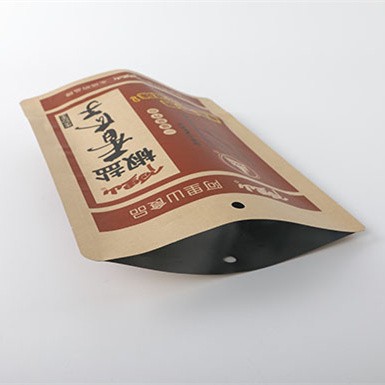
If you're looking for high-quality food stand-up bags, we're here to help! We offer a wide range of Portable Organ Bag, Kraft Paper Stand Up Bag, and Food Flat Bottom Bag options to meet your specific needs. Contact us today to discuss your packaging requirements and get a quote.
References
- Packaging Machinery Manufacturers Institute (PMMI). (2023). Packaging Materials and Supplies.
- Smith, J. (2022). The Complete Guide to Food Packaging.
- Thompson, A. (2021). Choosing the Right Packaging for Your Food Products.