

In the dynamic landscape of food packaging, the food laser bag has emerged as a revolutionary solution, offering a blend of functionality, durability, and aesthetic appeal. As a leading supplier of food laser bags, I am excited to delve into the principles behind these innovative packaging solutions and explore how they are transforming the food industry.
The Basics of Food Laser Bags
At its core, a food laser bag is a type of flexible packaging that is sealed using laser technology. This method of sealing offers several advantages over traditional heat sealing techniques, including greater precision, faster production speeds, and a more hermetic seal. The laser sealing process involves the use of a high - intensity laser beam to melt the plastic layers of the bag together, creating a strong and reliable bond.
One of the key features of food laser bags is their ability to preserve the freshness and quality of the food inside. The hermetic seal created by the laser prevents oxygen, moisture, and other contaminants from entering the bag, which helps to extend the shelf life of the food product. This is particularly important for perishable items such as snacks, dried fruits, and meat products.
The Science Behind Laser Sealing
The principle of laser sealing is based on the absorption of laser energy by the plastic material of the bag. Different types of plastics have different absorption spectra, which means that the laser wavelength needs to be carefully selected to match the plastic used in the bag. For example, polyethylene terephthalate (PET) and polyethylene (PE), two commonly used plastics in food packaging, have different absorption characteristics at different laser wavelengths.
When the laser beam is directed at the plastic, the energy is absorbed, causing the plastic to heat up and melt. The melted plastic then flows together and solidifies, forming a seal. The intensity and duration of the laser beam are precisely controlled to ensure that the seal is strong and uniform without overheating or damaging the plastic.
Advantages of Food Laser Bags
Enhanced Product Protection
As mentioned earlier, the hermetic seal of food laser bags provides excellent protection against oxygen, moisture, and light. Oxygen can cause oxidation of fats and oils in food, leading to rancidity and off - flavors. Moisture can promote the growth of mold and bacteria, while light can degrade vitamins and pigments in the food. By preventing these factors from reaching the food, laser - sealed bags help to maintain the nutritional value, flavor, and appearance of the product.
Customization and Branding
Food laser bags offer a high degree of customization in terms of size, shape, and design. They can be printed with high - quality graphics and branding elements, which helps to enhance the visibility and appeal of the product on the shelf. Whether it's a bold logo, vibrant colors, or detailed product information, laser - sealed bags can be tailored to meet the specific marketing needs of the brand.
Sustainability
In recent years, there has been a growing demand for sustainable packaging solutions in the food industry. Food laser bags can contribute to this trend in several ways. Firstly, they are often made from recyclable plastics, which reduces the environmental impact of packaging waste. Secondly, the precise sealing process of lasers can reduce the amount of plastic used in packaging, as less material is needed to create a strong seal compared to traditional methods.

Types of Food Laser Bags
Snack Three - Sides Seal Bag
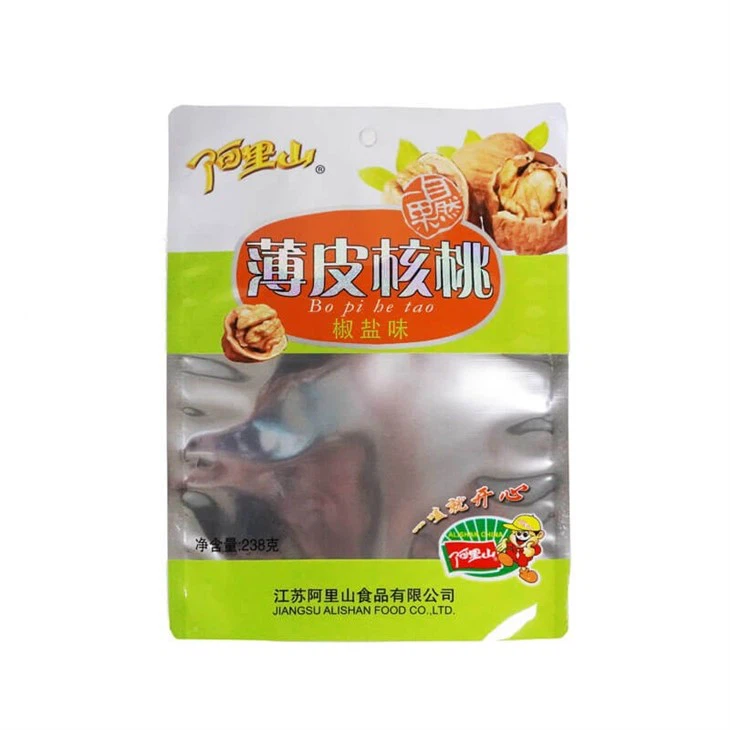
The Snack Three - Sides Seal Bag is a popular choice for packaging a variety of snacks, such as chips, nuts, and candies. This type of bag is sealed on three sides, leaving one side open for filling. The laser - sealed edges provide a tight and secure closure, preventing the snacks from spilling or going stale.
Three - Sides Seal Dealumination Bag
The Three - Sides Seal Dealumination Bag is designed to provide additional protection against light and oxygen. It is made with a layer of aluminum foil or a metallized film, which acts as a barrier to block out light and prevent the ingress of oxygen. This type of bag is ideal for packaging products that are sensitive to light and oxygen, such as coffee, tea, and dried fruits.
Flat Bottom Zipper Bag
The Flat Bottom Zipper Bag is a versatile packaging solution that combines the stability of a flat bottom with the convenience of a zipper closure. The laser - sealed seams ensure the integrity of the bag, while the zipper allows for easy access to the food and helps to keep it fresh after opening. This type of bag is commonly used for packaging items such as granola, cereal, and pet food.
Applications of Food Laser Bags
Food laser bags are used in a wide range of food applications, from snacks and confectionery to fresh produce and frozen foods. In the snack industry, they are the go - to choice for packaging chips, pretzels, and popcorn. The hermetic seal helps to keep the snacks crispy and flavorful, while the customizable design allows brands to stand out on the shelf.
For fresh produce, food laser bags can be used to extend the shelf life of fruits and vegetables. By controlling the oxygen and carbon dioxide levels inside the bag, the bags can slow down the ripening process and reduce spoilage. In the frozen food industry, laser - sealed bags provide a reliable barrier against freezer burn, ensuring that the food retains its quality during storage.
Conclusion
The principle behind food laser bags is a fascinating combination of science and technology. By leveraging the power of lasers, these bags offer a superior packaging solution that provides enhanced product protection, customization, and sustainability. As a supplier of food laser bags, I am committed to providing high - quality products that meet the diverse needs of the food industry.
If you are interested in learning more about our food laser bags or would like to discuss your specific packaging requirements, I encourage you to reach out to us. Our team of experts is ready to assist you in finding the perfect packaging solution for your products. Let's work together to take your food packaging to the next level.
References
- "Principles of Food Packaging" by Yam, K. L., & Lee, S. Y.
- "Laser Processing of Polymers" by Schuocker, D., & Zimmer, K.
- Industry reports on food packaging trends and technologies.