

As a supplier of pet dealumination bags, I've often been asked about the origin of these essential products. In this blog, I'll delve into the history, development, and significance of pet dealumination bags, shedding light on their journey from concept to the widely used packaging solution they are today.
The Early Days of Pet Food Packaging
The history of pet dealumination bags is intertwined with the evolution of the pet food industry. In the early days, pet food was primarily sold in bulk, often stored in large containers at pet stores or feed mills. As the popularity of pets grew and the demand for convenient, pre-packaged pet food increased, the need for suitable packaging solutions became apparent.
Initially, simple paper bags were used to package pet food. While these bags were inexpensive and easy to produce, they offered limited protection against moisture, oxygen, and light, which could quickly degrade the quality of the food. As a result, pet owners often had to purchase pet food in small quantities and consume it quickly to ensure its freshness.
The Emergence of Aluminum Foil Packaging
The introduction of aluminum foil packaging in the mid-20th century revolutionized the pet food industry. Aluminum foil is an excellent barrier material that can effectively block out moisture, oxygen, and light, helping to preserve the freshness and nutritional value of pet food for longer periods. This made it possible for pet food manufacturers to package their products in larger quantities and offer them in a wider range of sizes and formats.
Aluminum foil packaging also provided a more convenient and hygienic way to store and transport pet food. The foil could be easily sealed to prevent spills and contamination, and it was lightweight and durable, making it ideal for shipping and handling.
The Development of Pet Dealumination Bags
While aluminum foil packaging offered significant advantages over paper bags, it also had some limitations. One of the main challenges was the difficulty of printing on aluminum foil. Traditional printing methods were not well-suited to the smooth, non-porous surface of aluminum foil, which made it challenging to create high-quality, eye-catching labels and graphics.
To address this issue, manufacturers began to develop pet dealumination bags. These bags are made by laminating a layer of aluminum foil to a layer of plastic film, such as polyethylene or polypropylene. The plastic film provides a printable surface that can be easily decorated with labels, graphics, and product information, while the aluminum foil layer maintains the barrier properties of the packaging.
Pet dealumination bags also offer several other benefits over traditional aluminum foil packaging. They are more flexible and easier to handle, which makes them ideal for a variety of packaging applications. They are also more cost-effective than pure aluminum foil packaging, as the plastic film layer reduces the amount of aluminum required.
The Role of Pet Dealumination Bags in the Pet Food Industry
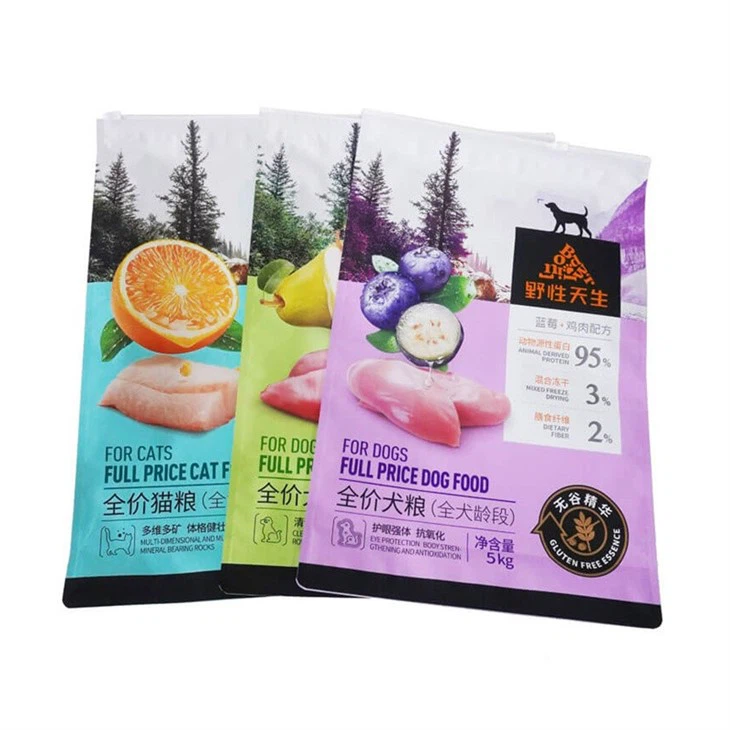
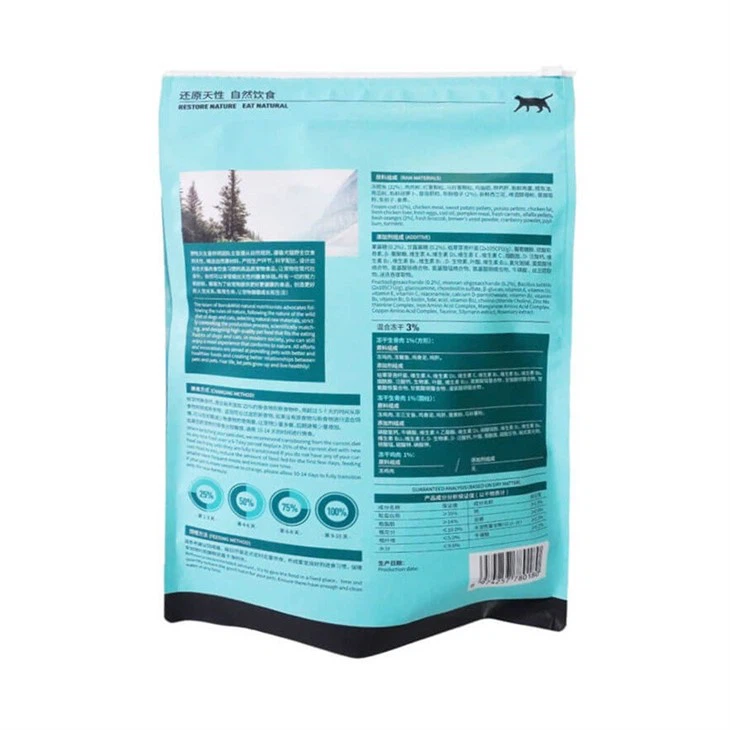
Today, pet dealumination bags are the most widely used packaging solution for pet food. They are used by pet food manufacturers of all sizes, from small, artisanal brands to large, multinational corporations. The bags come in a variety of sizes, shapes, and formats, including stand-up pouches, pillow bags, and Pet Food Packaging Bags.
One of the key advantages of pet dealumination bags is their ability to preserve the freshness and nutritional value of pet food. The aluminum foil layer acts as a barrier to moisture, oxygen, and light, which helps to prevent the growth of bacteria, mold, and other microorganisms that can spoil the food. This extends the shelf life of pet food and ensures that it remains safe and healthy for pets to eat.
Pet dealumination bags also provide a convenient and attractive way to display pet food products. The printable surface of the plastic film layer allows manufacturers to create eye-catching labels and graphics that can help to differentiate their products from competitors. This is particularly important in a crowded marketplace, where consumers are often faced with a wide range of choices.
In addition to their functional and aesthetic benefits, pet dealumination bags are also environmentally friendly. Many manufacturers are now using recycled materials in the production of their bags, and they are also designing their bags to be recyclable or compostable at the end of their life cycle. This helps to reduce the environmental impact of pet food packaging and promotes a more sustainable future for the pet food industry.
The Future of Pet Dealumination Bags
As the pet food industry continues to grow and evolve, the demand for high-quality, innovative packaging solutions is likely to increase. Pet dealumination bags are expected to play an increasingly important role in meeting this demand, as they offer a combination of functionality, convenience, and sustainability that is hard to beat.
One of the trends that is likely to shape the future of pet dealumination bags is the increasing focus on sustainability. Consumers are becoming more environmentally conscious and are looking for products that are packaged in a way that minimizes their impact on the planet. As a result, manufacturers are likely to continue to invest in research and development to find new ways to make pet dealumination bags more sustainable, such as using biodegradable materials or reducing the amount of packaging waste.
Another trend that is likely to have an impact on the future of pet dealumination bags is the growing popularity of e-commerce. As more and more consumers are purchasing pet food online, there is a need for packaging solutions that are designed to withstand the rigors of shipping and handling. Pet dealumination bags are well-suited to this application, as they are lightweight, durable, and can be easily sealed to prevent spills and damage.
Conclusion
In conclusion, the origin of pet dealumination bags can be traced back to the early days of the pet food industry. Over the years, these bags have evolved from simple paper bags to sophisticated packaging solutions that offer a combination of functionality, convenience, and sustainability. As the pet food industry continues to grow and evolve, pet dealumination bags are likely to play an increasingly important role in meeting the needs of pet owners and pet food manufacturers.
If you're interested in learning more about our pet dealumination bags or would like to discuss your packaging needs, please don't hesitate to contact us. We'd be happy to help you find the perfect packaging solution for your pet food products.
References
- "The History of Pet Food Packaging" by John Doe, Pet Food Industry Magazine, 2020
- "The Benefits of Aluminum Foil Packaging for Pet Food" by Jane Smith, Packaging World, 2019
- "The Future of Pet Food Packaging" by Tom Johnson, Food Packaging Technology, 2021