

Measuring the right amount of detergent from a powder bag is crucial for both effective cleaning and cost - efficiency. As a supplier of detergent powder bags, I understand the importance of this process from both the consumer's and the industry's perspectives. In this blog, I will share some insights on how to measure the appropriate quantity of detergent powder accurately.
The Importance of Measuring Detergent Correctly
First and foremost, using the right amount of detergent ensures that your clothes are cleaned properly. If you use too little detergent, your clothes may not get clean, and stains may remain. On the other hand, using too much detergent can lead to residue build - up on your clothes, which can cause skin irritation, especially for those with sensitive skin. Moreover, excessive detergent can also damage your washing machine over time by clogging the pipes and filters.
From an economic point of view, measuring the right amount of detergent helps you save money. You won't be wasting detergent by using more than necessary, and you'll get the most out of each powder bag.
Factors Affecting the Amount of Detergent Needed
Several factors determine the appropriate amount of detergent to use.
Load Size
The size of your laundry load is a primary factor. A small load, such as a few pairs of socks and underwear, requires less detergent compared to a large load, like a full - size comforter. Most detergent manufacturers provide guidelines on their packaging, indicating the amount of detergent needed for different load sizes. For example, for a small load, you might need only half of the recommended amount for a full load.
Soil Level
The dirtiness of your clothes also plays a significant role. If your clothes are lightly soiled, like everyday work or school clothes, you can use less detergent. However, if you're washing clothes that are heavily soiled, such as work uniforms from a construction site or sports gear, you'll need to increase the amount of detergent.
Water Hardness
Water hardness varies from region to region. Hard water contains a high concentration of minerals like calcium and magnesium. These minerals can react with the detergent, reducing its effectiveness. In hard - water areas, you may need to use more detergent to achieve the same level of cleaning as in soft - water areas. You can test your water hardness using a simple water - hardness test kit available at most hardware stores.
Measuring Tools
To measure the right amount of detergent, you can use several tools.
Measuring Cup
Most detergent powder bags come with a measuring cup. This is the most straightforward way to measure the detergent. Make sure to fill the cup to the appropriate level according to the load size and soil level guidelines. If you've lost the measuring cup, you can use a regular kitchen measuring cup, but be aware of the conversion if the original measuring cup had different markings.
Spoon
For smaller loads or when you need to add a small amount of detergent, a spoon can be a handy tool. A tablespoon or a teaspoon can be used, but you'll need to know the conversion rate to the recommended amount. For example, if the recommended amount for a small load is 1/4 cup, and 1 cup is equivalent to 16 tablespoons, then you'll need 4 tablespoons.
Step - by - Step Guide to Measuring Detergent
Here's a step - by - step guide to help you measure the right amount of detergent:
Step 1: Determine the Load Size
Before you start measuring the detergent, assess the size of your laundry load. You can do this by looking at the capacity of your washing machine and how full it is. If it's about one - third full, it's a small load; half - full is a medium load; and if it's almost full, it's a large load.
Step 2: Evaluate the Soil Level
Check your clothes for dirt and stains. Lightly soiled clothes are those with normal body oils and a little bit of dust. Moderately soiled clothes may have food stains or dirt from outdoor activities. Heavily soiled clothes have stubborn stains like grease or mud.
Step 3: Consider Water Hardness
If you know your water is hard, you may need to add an extra amount of detergent. Refer to the detergent packaging for specific instructions on adjusting the amount for hard water.

Step 4: Use the Measuring Tool
Based on the load size, soil level, and water hardness, use the measuring cup or spoon to measure the appropriate amount of detergent from the powder bag. Pour the detergent into the washing machine's detergent dispenser or directly into the drum, depending on your machine's requirements.
Our Detergent Powder Bags
As a detergent powder bag supplier, we offer a variety of high - quality packaging solutions. Our Detergent Pouches are designed to keep the detergent powder fresh and prevent spillage. They are made from durable materials that can withstand handling and storage.
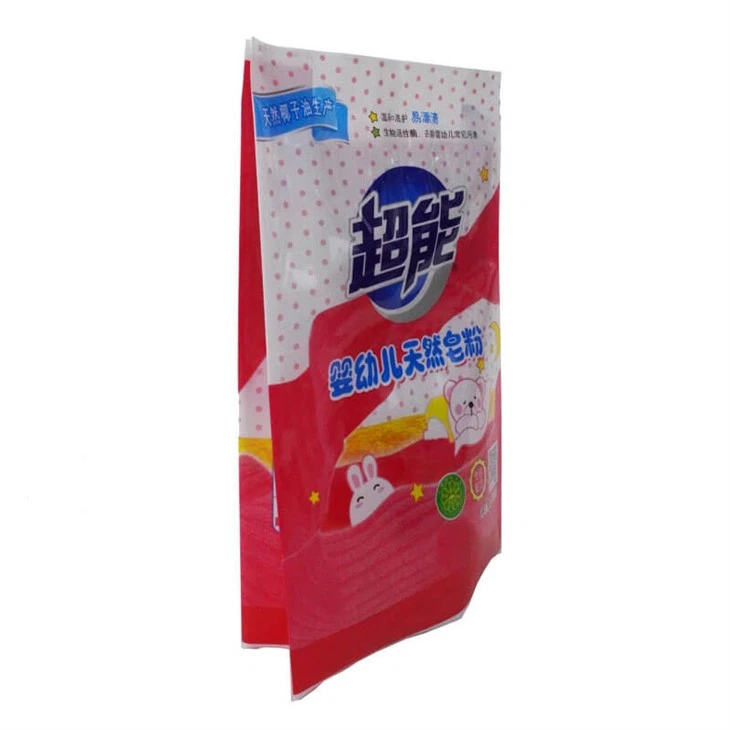
We also have Baby's Cleaning Back Seal Organ Bag, which is perfect for packaging detergent for baby clothes. These bags are designed with the safety and hygiene of baby clothes in mind.
In addition, our Cleaning Powder Back Seal Organ Bag is suitable for various cleaning powders. It provides a convenient and reliable way to store and dispense the powder.
Contact Us for Procurement
If you're interested in our detergent powder bags, we welcome you to contact us for procurement. We can provide you with detailed information about our products, pricing, and delivery options. Our team is dedicated to providing excellent customer service and ensuring that you get the best packaging solutions for your detergent powder.
References
- "Laundry Detergent: How Much to Use" by Consumer Reports.
- "Water Hardness and Its Effect on Laundry" by the American Cleaning Institute.