

As a supplier of food stand-up bags, I often get asked about how long food can be stored in these bags. It's a crucial question, as proper food storage not only ensures the safety of consumers but also helps in maintaining the quality of the food products. In this blog, I'll delve into the factors that affect food storage duration in stand-up bags and provide some general guidelines.
Factors Affecting Food Storage in Stand-Up Bags
1. Type of Food
Different types of food have different shelf lives. For instance, dry goods like grains, pasta, and powdered milk can generally be stored for a long time. These foods are low in moisture, which inhibits the growth of bacteria, mold, and yeast. Grains such as rice and wheat can last up to 1 - 2 years in stand-up bags when stored in a cool, dry place.
On the other hand, perishable foods like fresh fruits, vegetables, and meats have a much shorter shelf life. Fresh fruits and vegetables may only last a few days to a couple of weeks, depending on the type. Meats, especially raw ones, need to be refrigerated or frozen and may only last a few days in the fridge or several months in the freezer when stored in stand-up bags.

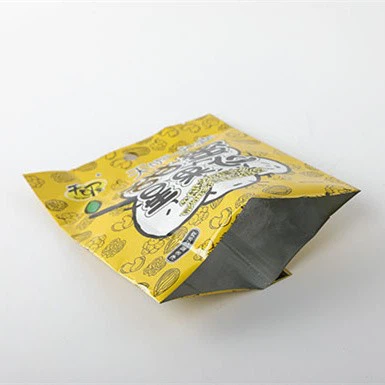
2. Bag Material
The material of the stand-up bag plays a significant role in food storage. High - quality materials with good barrier properties can extend the shelf life of food. For example, bags made of multi - layer films that combine materials like polyethylene, polypropylene, and aluminum foil offer excellent protection against oxygen, moisture, light, and odor.
Aluminum foil - lined stand-up bags are particularly effective for storing food that is sensitive to light and oxygen, such as coffee beans. They can keep the coffee fresh for several months by preventing oxidation and the loss of flavor. Polyethylene bags, which are more common and cost - effective, are suitable for storing dry goods but may not provide as high a level of protection as multi - layer bags.
3. Storage Conditions
The environment in which the stand-up bags are stored is crucial. Temperature, humidity, and light exposure all affect food storage. Foods stored in a cool, dry, and dark place will generally last longer than those exposed to heat, moisture, and light.
For example, if you store a stand-up bag of nuts in a pantry that is constantly warm and humid, the nuts may go rancid more quickly due to the breakdown of fats. On the other hand, storing them in a cool pantry or even in the refrigerator can significantly extend their shelf life.
General Guidelines for Food Storage in Stand-Up Bags
Dry Goods
- Grains and Cereals: Grains like rice, oats, and cornmeal can be stored in stand-up bags for 1 - 2 years. Make sure the bags are sealed tightly to prevent moisture and pests from getting in. If you want to store them for an even longer time, consider using oxygen absorbers inside the bags.
- Powdered Foods: Powdered milk, coffee creamer, and protein powders can last 1 - 2 years in stand-up bags. Keep them in a cool, dry place away from direct sunlight.
Baked Goods
- Cookies and Crackers: These can last 1 - 2 weeks at room temperature in stand-up bags. If you want to extend their shelf life, you can store them in the refrigerator, where they can last up to a month.
- Bread: Fresh bread typically lasts 2 - 3 days at room temperature in a stand-up bag. You can freeze bread for several months to keep it fresh.
Snacks
- Chips and Pretzels: These can last 1 - 2 months in stand-up bags if stored in a cool, dry place. The bags should be sealed tightly to maintain their crispness.
- Nuts and Seeds: Nuts and seeds can last 3 - 6 months at room temperature in stand-up bags. For longer storage, refrigerate or freeze them.
Our Product Offerings
As a food stand-up bag supplier, we offer a wide range of products to meet different food storage needs. Our Portable Organ Bag is perfect for storing small items like spices, tea bags, and coffee pods. It is made of high - quality materials that provide good protection against moisture and odor.
Our Food Stand Up Zipper Pouch is a popular choice for storing a variety of foods. The zipper closure makes it easy to open and close, and the stand-up design allows for convenient storage on shelves.
If you need to store larger quantities of food, our Food Big Three - Sides Seal Bag is an excellent option. It offers a large capacity and is suitable for storing items like bulk grains, flour, and sugar.
Conclusion
The duration that food can be stored in stand-up bags depends on various factors, including the type of food, bag material, and storage conditions. By choosing the right stand-up bags and following proper storage guidelines, you can ensure that your food stays fresh and safe for as long as possible.
If you are in the food industry and are looking for high - quality stand-up bags for your products, we would be more than happy to assist you. Our team of experts can help you select the most suitable bags for your specific needs. Contact us to start a procurement discussion and find the best packaging solutions for your food products.
References
- "Food Packaging: Principles and Practice" by Yanyun Zhao
- "Handbook of Food Preservation" edited by Mohammad Shafiur Rahman