

As a supplier of flat-bottom bags, I am frequently asked about how these bags compare to other types of bags in terms of cost. In this blog post, I will delve into a comprehensive analysis of the cost aspects of flat-bottom bags relative to their counterparts, providing insights for businesses looking to make informed packaging decisions.
Understanding the Basics: What Are Flat - Bottom Bags?
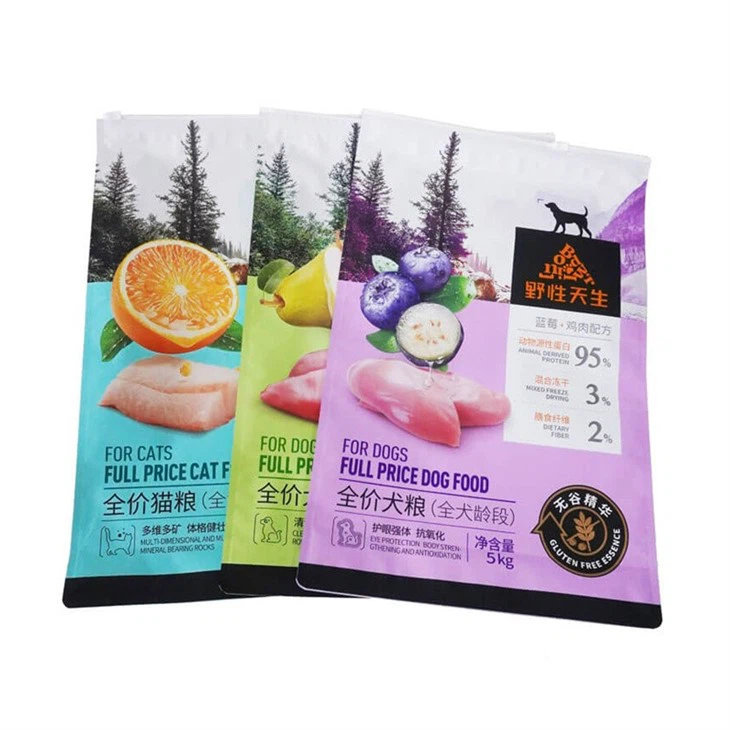
Flat-bottom bags, as the name suggests, have a flat and stable bottom. They offer a larger surface area for standing upright on shelves, which is highly beneficial for product display. Flat - Bottom Bag This feature not only helps in enhancing product visibility but also provides a convenient packaging solution for a wide range of products, including pet food, snacks, and other consumer goods.
Cost Factors in Bag Manufacturing
Before we compare the cost of flat - bottom bags with other types of bags, it is essential to understand the key cost factors involved in bag manufacturing:

Material Costs
The cost of materials is a significant determinant in bag production. Flat - bottom bags can be made from various materials such as plastic, paper, and laminates. Each material has its own cost structure. For example, high - quality plastic films may be more expensive due to their durability and barrier properties, while paper materials can vary in cost depending on their grade and weight.
Production Complexity
The production process of flat - bottom bags is generally more complex compared to some other types of bags, such as simple pillow - style bags. Creating a flat bottom requires additional steps in the manufacturing process, including fold - forming and sealing. This complexity can lead to higher production costs, as it may involve more specialized machinery and skilled labor.
Volume of Production
The volume of bags produced also plays a crucial role in determining the cost per unit. In general, larger production runs tend to reduce the cost per bag due to economies of scale. This applies to both flat - bottom bags and other bag types. However, for small - scale productions, the cost disadvantage of flat - bottom bags may be more pronounced.
Comparison with Other Types of Bags
Pillow - Style Bags
Pillow - style bags are one of the simplest and most commonly used types of bags. They are easy to manufacture, with a relatively straightforward production process that involves sealing a flat sheet of material on three sides. This simplicity often translates into lower production costs compared to flat - bottom bags. The material requirements for pillow - style bags are also typically less than those for flat - bottom bags, as there is no need to form a flat bottom.
On the other hand, pillow - style bags do not offer the same level of stability and display appeal as flat - bottom bags. They tend to lie flat on shelves, which may make it more difficult for products to stand out. In scenarios where product visibility is crucial, such as in retail environments, the additional cost of flat - bottom bags may be justified by the potential increase in sales.
Gusseted Bags
Gusseted bags have expandable sides, which allow them to hold more product volume compared to pillow - style bags. While the production of gusseted bags is more complex than that of pillow - style bags, it is generally less so than that of flat - bottom bags. Gusseted bags can be made with a wider range of materials, and their cost can vary depending on the material used and the size of the gusset.
Similar to flat - bottom bags, gusseted bags can provide better product display compared to pillow - style bags. However, they lack the flat - bottom stability that flat - bottom bags offer. For products that require upright display and a more professional look, flat - bottom bags may be a better choice despite their potentially higher cost.
Cost - Benefit Analysis for Flat - Bottom Bags
When considering the cost of flat - bottom bags, it is important to conduct a cost - benefit analysis. While they may have a higher upfront cost compared to some other bag types, they offer several benefits that can offset this cost in the long run:
Enhanced Product Display
As mentioned earlier, flat - bottom bags stand upright on shelves, making products more visible to consumers. This can lead to increased brand awareness and potentially higher sales. For businesses, the additional cost of using flat - bottom bags may be a worthwhile investment if it results in a significant increase in product sales.
Durability and Protection
Flat - bottom bags can be designed to provide better protection for products. They can be made with high - quality materials and advanced sealing techniques, which help to keep products fresh and prevent damage during storage and transportation. This can reduce product losses and returns, ultimately saving businesses money in the long term.
Customization Options
Flat - bottom bags offer a high degree of customization. They can be printed with detailed graphics, logos, and product information, which can help to differentiate products from competitors. Customized packaging can also enhance brand image and customer loyalty. While customization may add to the cost of the bags, it can provide a competitive advantage in the market.
Applications in the Pet Food Industry
In the pet food industry, the choice of packaging is crucial. Pet Food Packaging Bags Pet owners are increasingly concerned about the quality and freshness of the food they feed their pets. Flat - bottom bags are an excellent choice for pet food packaging for several reasons.
First, they provide a stable base for the product to stand upright on store shelves, making it easier for pet owners to locate and select the product. Second, flat - bottom bags can be designed with excellent barrier properties to keep the pet food fresh and prevent the entry of oxygen, moisture, and pests. Third, they offer ample space for printing product information, including ingredients, feeding instructions, and brand logos.
Pet Flat - Bottom Zipper Bag is a popular option in the pet food industry. The zipper closure allows for easy opening and resealing, which helps to maintain the freshness of the pet food after the package has been opened. While the cost of pet flat - bottom zipper bags may be higher than some other types of pet food packaging, the benefits they offer in terms of product preservation and customer convenience make them a popular choice among pet food manufacturers.
Conclusion: Making the Right Decision
In conclusion, flat - bottom bags may have a higher cost compared to some other types of bags due to their production complexity and material requirements. However, they offer several benefits, including enhanced product display, durability, and customization options, which can justify the additional cost in many cases.
When choosing a packaging solution, businesses should consider their specific needs, including product type, target market, and budget. For products that require high visibility and protection, flat - bottom bags may be the best choice. For businesses looking for a more cost - effective option for simple products, pillow - style or gusseted bags may be more suitable.
If you are interested in learning more about our flat - bottom bags or would like to discuss your packaging requirements, please feel free to reach out to us. We are happy to offer professional advice and customized solutions to meet your needs.
References
- Packaging World. "The Economics of Bag Manufacturing."
- Smith, J. "Comparative Analysis of Different Bag Types in the Retail Industry." Journal of Packaging Science, 20XX, XX(XX), XX - XX.